Gas Safety Certificate (CP12) Explained: What Landlords Need to Know
If you rent out a property, a Gas Safety Certificate — officially called a CP12 or Landlord Gas Safety Record — isn't optional. It's a legal requirement, and failing to have one can mean fines, invalid insurance, and most importantly, putting your tenants' lives at risk. In this guide, our Gas Safe registered engineers explain exactly what a CP12 is, who needs one, how often, and how to stay on the right side of the law.
What Is a Gas Safety Certificate (CP12)?
A Gas Safety Certificate is an official document that confirms all gas appliances, pipework and flues in a rental property have been safety-checked by a Gas Safe registered engineer. It's sometimes called a CP12 (after CORGI, the old gas safety body), a Landlord Gas Safety Record (LGSR), or simply a gas safety check.
The certificate records:
- The details of the property and landlord.
- A list of all gas appliances checked.
- The results of each safety test.
- Whether each appliance passed or failed.
- Any defects identified and action required.
- The engineer's Gas Safe registration number.
- The date of the check and the expiry date.
Who Needs a Gas Safety Certificate?
By law (under the Gas Safety (Installation and Use) Regulations 1998), a gas safety certificate is required for:
- All rental properties with gas appliances — assured shorthold tenancies.
- Houses in Multiple Occupation (HMOs).
- Rented holiday lets and short-term lets.
- Some housing association and social housing tenancies.
You do not need one for a property you live in yourself — but an annual gas safety check is still strongly recommended for every home.
How Often Do You Need a Gas Safety Check?
- Every 12 months — the certificate must be renewed annually.
- The check must be carried out before the existing certificate expires — you can have it done up to 2 months (60 days) before the expiry date and keep the same renewal date.
- A copy must be given to existing tenants within 28 days of the check.
- New tenants must be given a copy before they move in.
What Does a Gas Safety Check Involve?
A Gas Safe registered engineer will check:
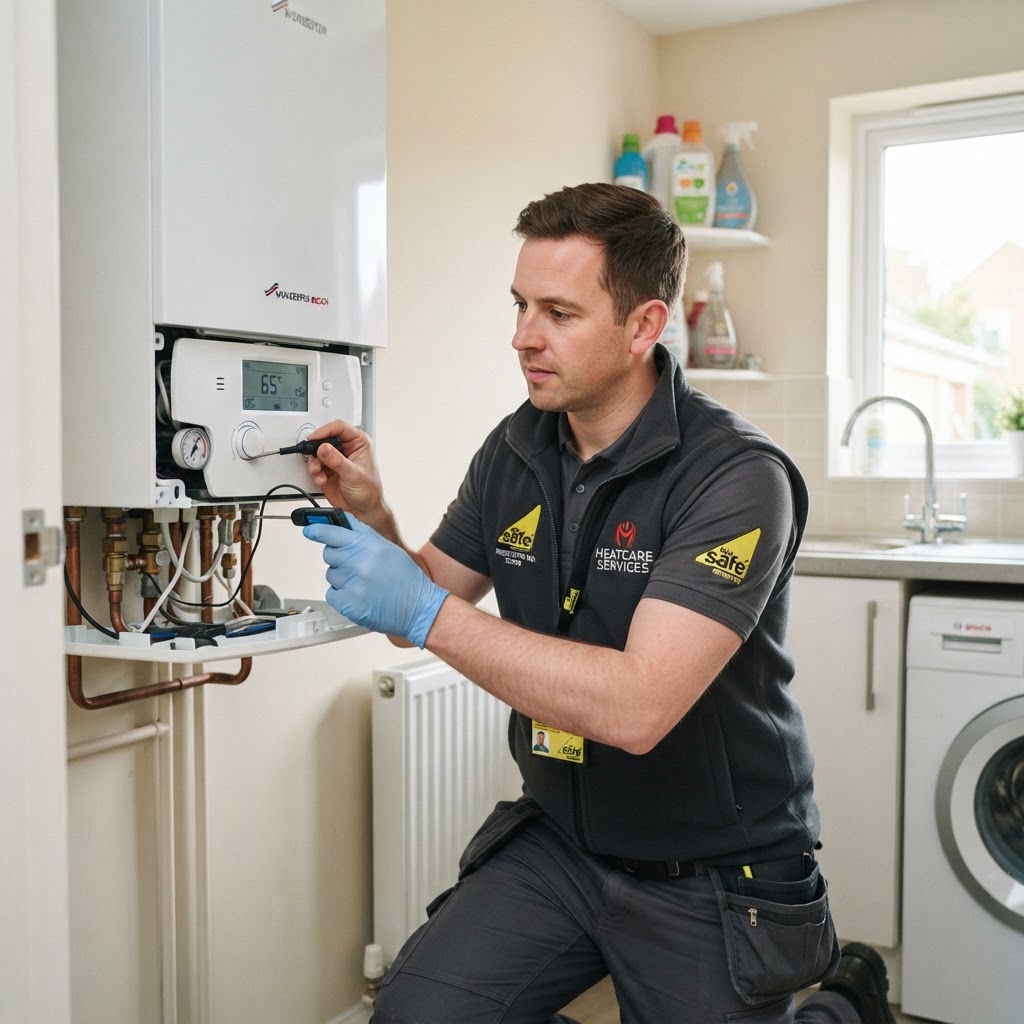
- The boiler — safe operation, combustion, pressure and flue.
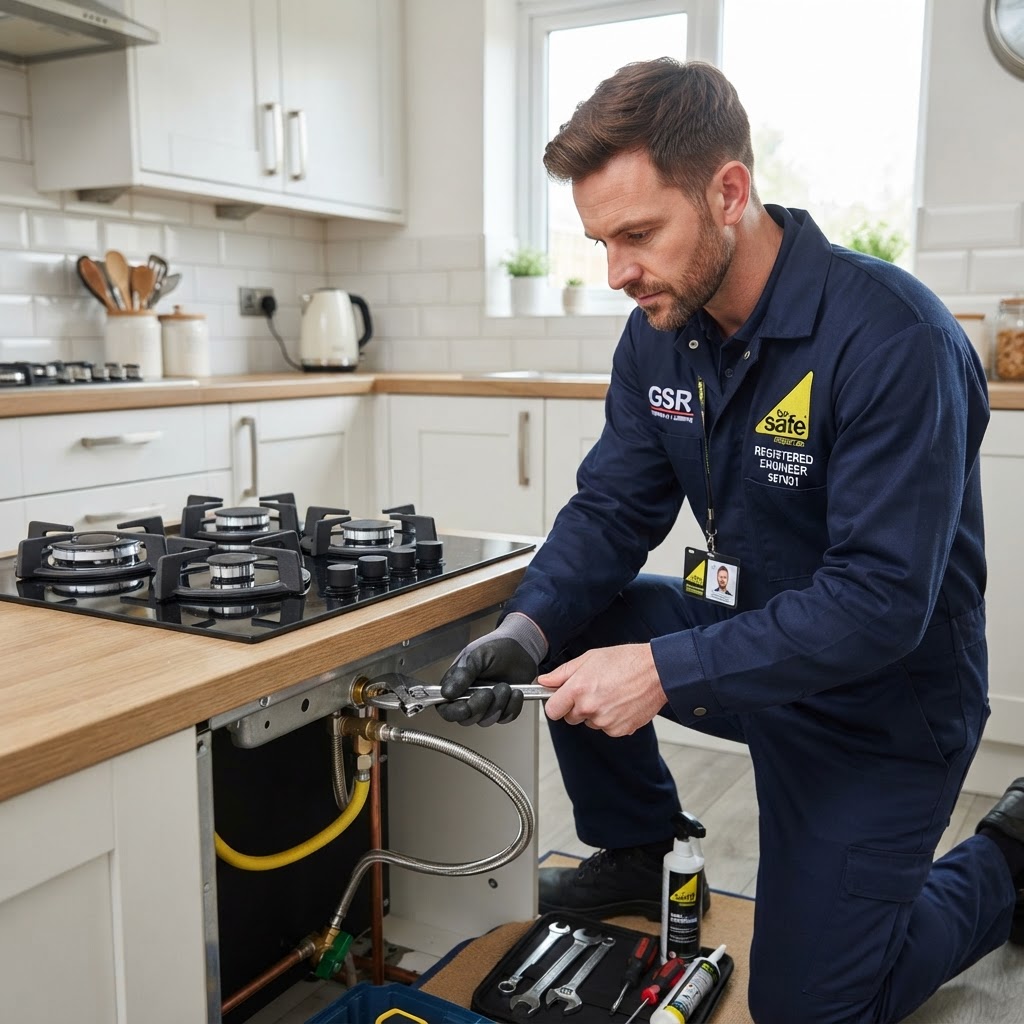
- Gas cookers and hobs — safe burning, stability and gas connections.
- Gas fires — flue, ventilation and flue flow.
- All visible gas pipework — for leaks and corrosion.
- Flues and chimneys — that combustion gases are safely removed.
- Ventilation — that appliances have enough air to burn safely.
- Safety devices — that cut-offs and flame supervision work.
- Standing pressure and working pressure of the gas supply.
The check typically takes 30–60 minutes depending on the number of appliances.
How Much Does a CP12 Cost?
A gas safety certificate typically costs £60–£120 for a standard property, depending on:
- The number of gas appliances checked.
- The location of the property.
- Whether any repairs are needed to pass.
At Warren Plumbing & Heating, we offer competitive CP12 pricing across Dartford and Kent — contact us for a quote.
What Happens If an Appliance Fails?
If an engineer finds an appliance is unsafe, they'll classify the fault as either:
- At Risk (AR) — could become dangerous; use must be stopped until repaired.
- Immediately Dangerous (ID) — an active danger; the appliance is disconnected and a warning issued.
The engineer will issue an appropriate warning notice and the appliance must be fixed or replaced before it's used again. The certificate will note the defect.
What Are the Penalties for Not Having a CP12?
Failing to have a valid gas safety certificate is a criminal offence. Penalties can include:
- Unlimited fines on conviction.
- Invalid landlord insurance — claims rejected if no certificate.
- Civil liability if a tenant is harmed.
- Inability to serve a Section 21 notice to evict — you can't legally regain possession without a valid certificate.
- Up to 6 months' imprisonment in the most serious cases.
The risks to tenants are even more serious — carbon monoxide poisoning from a faulty gas appliance can kill. That's why the law is so strict.
Carbon Monoxide Alarms: A Legal Requirement Too
Since October 2022, landlords in England must also fit a carbon monoxide alarm in any room with a fixed combustion appliance (excluding gas cookers). They must also repair or replace alarms that are faulty. A CO alarm is a vital second line of defence alongside the annual gas safety check.
How to Book Your Gas Safety Check
- Book a Gas Safe registered engineer — always check their ID card and registration number.
- Arrange access with your tenants.
- Keep a copy of the certificate for at least 2 years.
- Issue a copy to tenants within 28 days (or before a new tenancy starts).
- Diary the renewal for 11 months' time so you never lapse.
Book Your CP12 in Dartford & Kent
At Warren Plumbing & Heating, we're Gas Safe registered and carry out landlord gas safety checks across Dartford, Bexley, Gravesend, Swanley and all of Kent. We're thorough, reliable and we'll make sure your property and your tenants are safe and fully compliant.
Call us on 07793 134077 or book your gas safety check online — we'll handle the rest and keep you on the right side of the law.