Is Your Radiator Cold at the Top?
There is nothing quite as frustrating as settling in for a cosy evening in your Dartford home, only to realise your radiator is barely lukewarm. If you have noticed that your radiator is cold at the top but warm at the bottom, you are likely dealing with a classic case of trapped air. Over time, air bubbles can find their way into your central heating system, rising to the highest point of the radiator and preventing hot water from circulating properly.
Fortunately, this is a common issue that most homeowners can resolve themselves with a few simple tools. However, it is important to distinguish between trapped air and other, more stubborn issues like sludge build-up, which may require professional attention.
How to Safely Bleed Your Radiators
If you have confirmed that the cold spot is at the top of the radiator, bleeding it is the standard fix. Before you start, ensure your central heating is switched off and the radiators have cooled down completely to avoid the risk of scalding from hot water or steam.
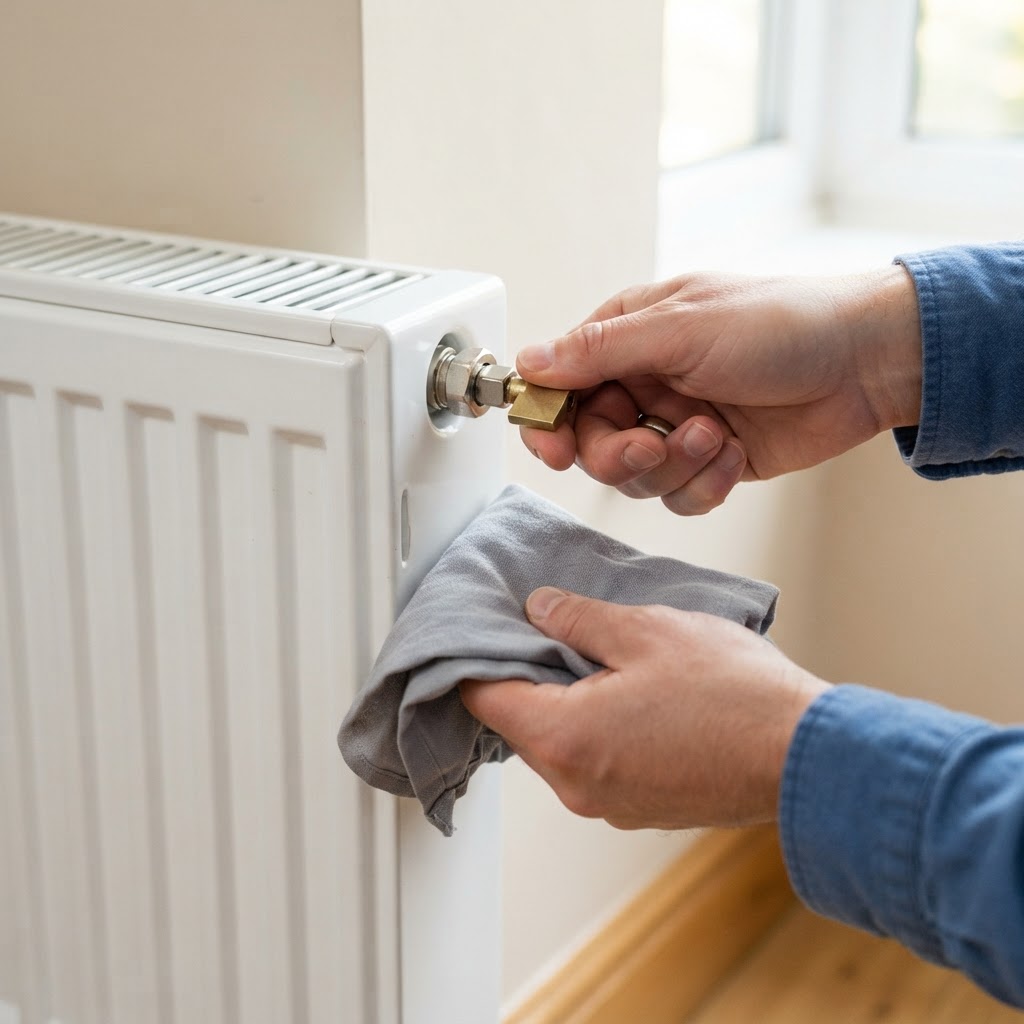
- Gather your tools: You will need a radiator bleed key (available at any local hardware store) and an old cloth or rag to catch any drips.
- Locate the valve: At the top corner of your radiator, you will see a small square metal nut inside a circular valve.
- Open the valve: Place your cloth underneath the valve to protect your flooring. Insert the bleed key and turn it slowly anti-clockwise. You should hear a hissing sound—this is the trapped air escaping.
- Close the valve: As soon as you see a steady stream of water begin to escape, turn the key clockwise to close the valve tightly. Do not overtighten it.
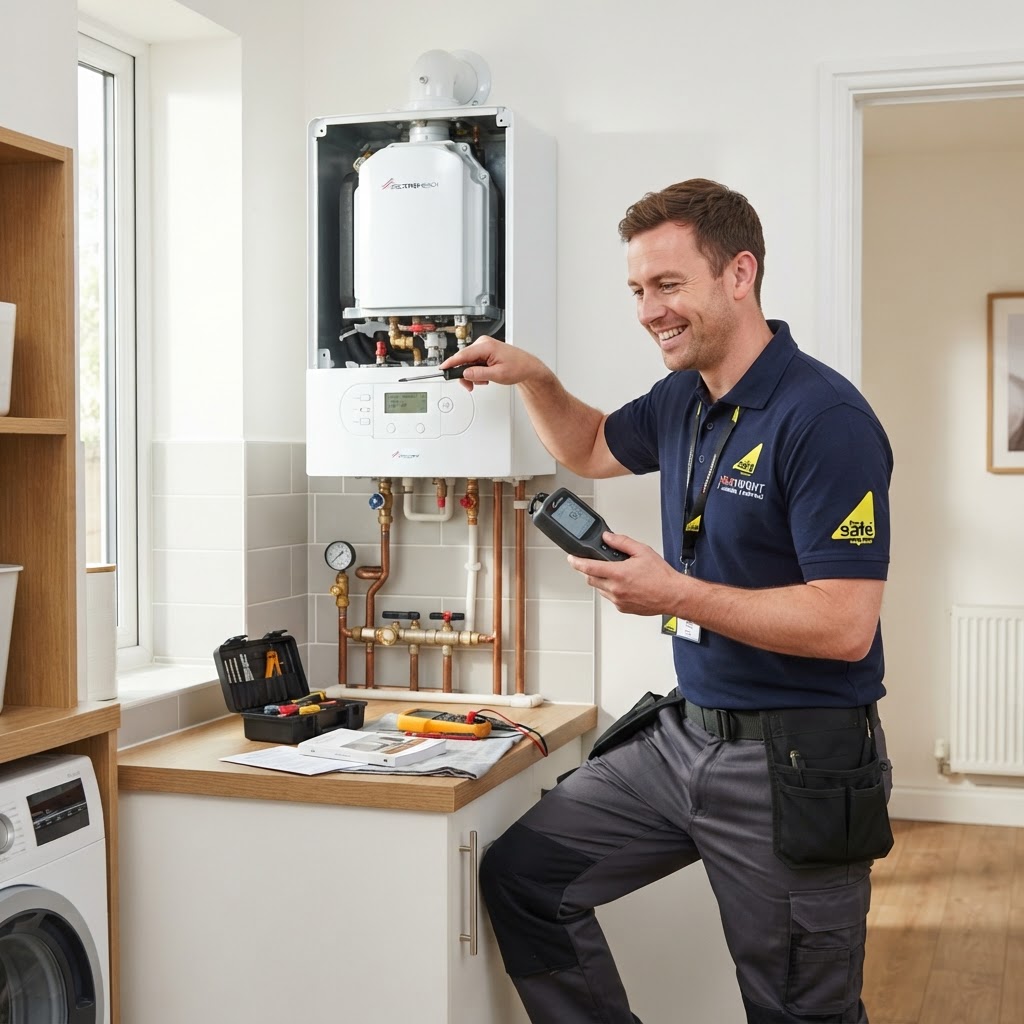
- Check your pressure: Bleeding radiators can cause your boiler pressure to drop. Check the gauge on the front of your boiler; it should ideally sit between 1.0 and 1.5 bar. If it has dropped too low, you may need to top it up using your boiler’s filling loop.
When It Is Not Just Air: Understanding Sludge
If you have bled your radiator and it is still cold—or if the cold spot is at the bottom rather than the top—you might be dealing with central heating sludge. This is a mixture of rust, dirt, and debris that settles at the bottom of radiators over time, blocking the flow of water.
Unlike trapped air, you cannot fix sludge by bleeding the radiator. If you notice your radiators are consistently cold at the bottom, or if your system is making gurgling or banging noises, it is a sign that your system may need a professional flush or the installation of a magnetic filter to protect your boiler from further damage.
Keeping Your Heating System Healthy
Regular maintenance is the best way to avoid these issues. We recommend checking your radiators for cold spots annually before the cold weather sets in. If you find that you are bleeding your radiators more than once a year, or if you notice persistent cold spots that do not go away, it is time to call in a professional.
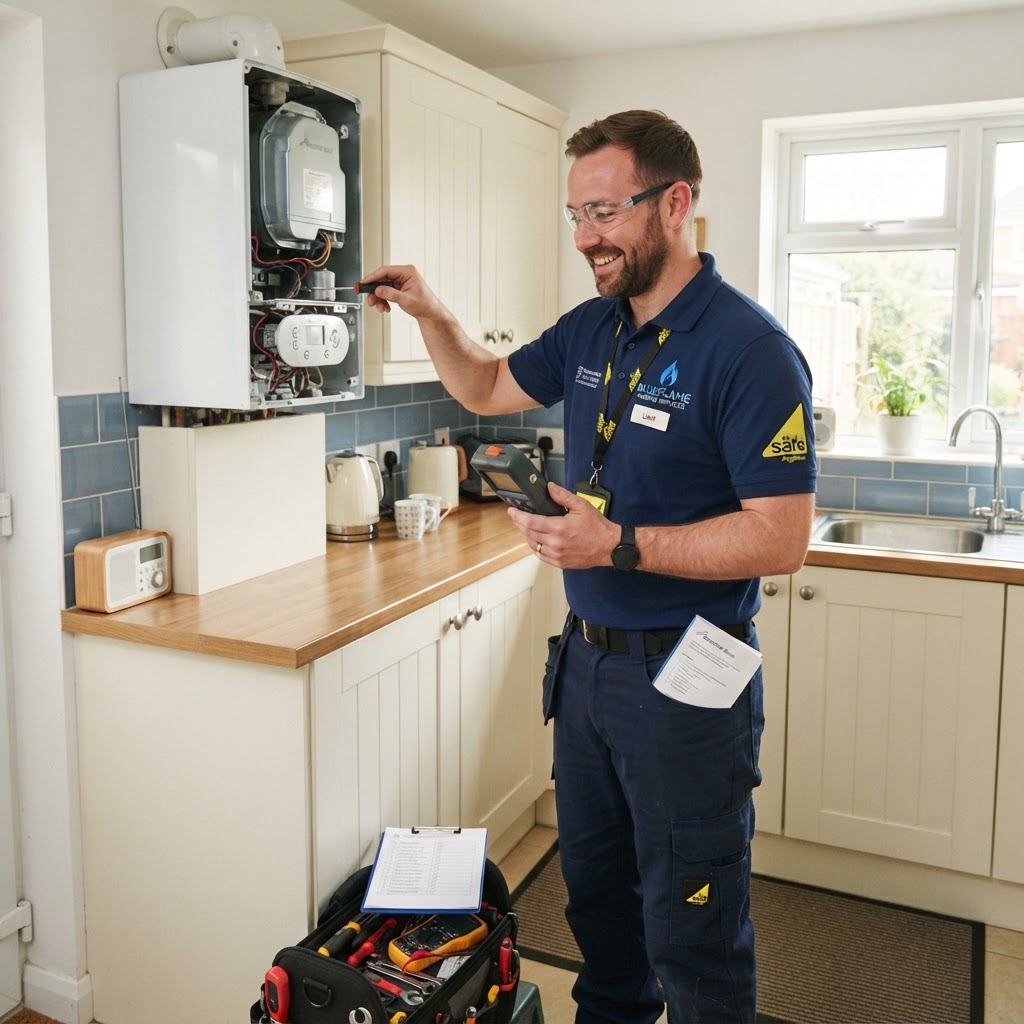
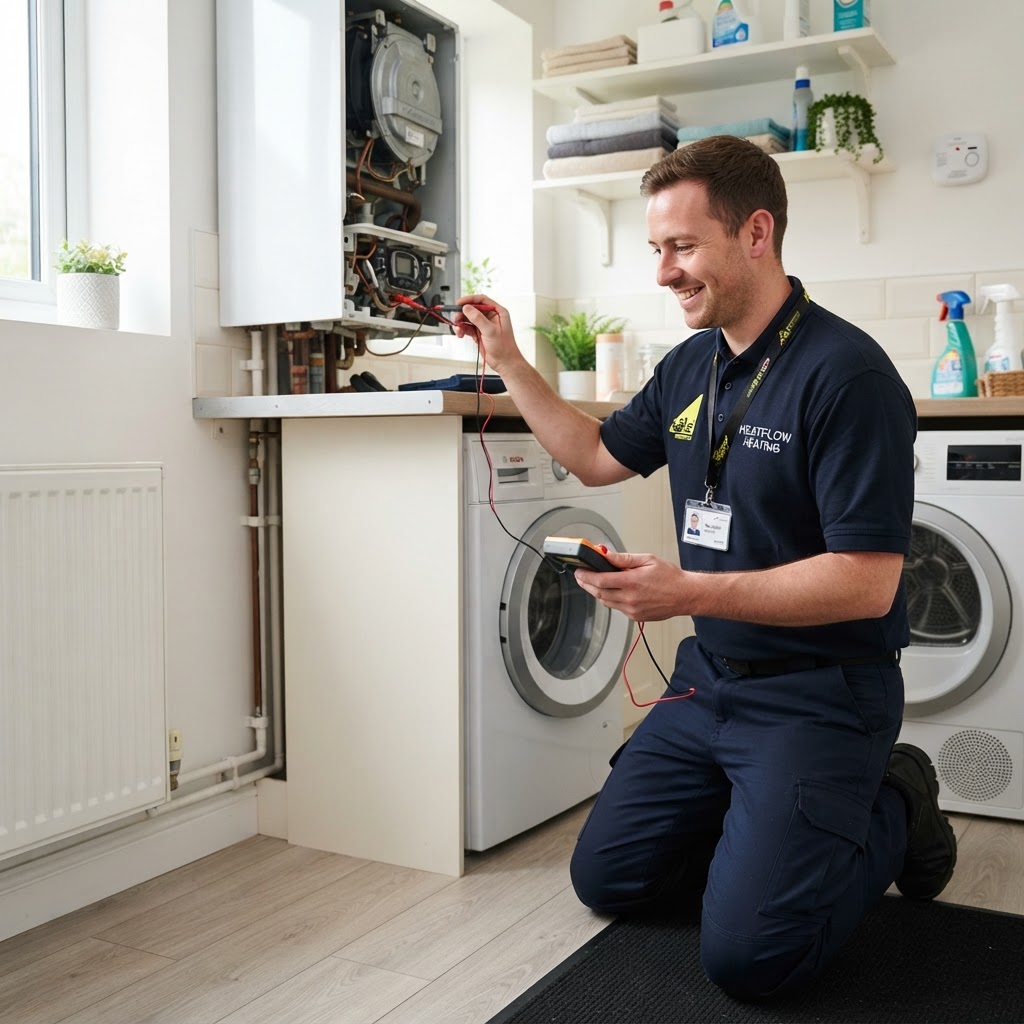
At Warren Plumbing & Heating, we provide expert boiler servicing and system health checks across Dartford, Bexleyheath, Gravesend, and the surrounding areas. Whether you need a simple system check or advice on clearing stubborn sludge, our local team is here to ensure your home stays warm and efficient all year round.