Understanding Your Boiler's Early Warnings
Your boiler is the heart of your home, working quietly in the background to provide heating and hot water. Because it is often tucked away in a cupboard or utility room, it is easy to ignore until something goes wrong. However, boilers rarely fail without warning. Much like a car that starts making a new noise before a breakdown, your boiler will often show subtle signs of distress long before it stops working entirely.
Learning to spot these early indicators can save you from the stress of a cold house in the middle of winter and help you avoid the cost of emergency repairs. As a local plumbing and heating team in Dartford, we often find that homeowners who catch these issues early can resolve them with a simple service or minor repair, rather than a full system replacement.
Strange Noises and Inconsistent Heating
Boilers are naturally mechanical, so a little bit of hum is normal. However, if you start hearing new, repetitive sounds, it is time to pay attention. Banging, gurgling, or whistling noises are often the first sign of a problem. These sounds are frequently caused by air trapped in the system, a build-up of limescale, or a failing pump. If your boiler sounds like it is struggling, it is likely working harder than it needs to, which reduces efficiency and increases your energy bills.
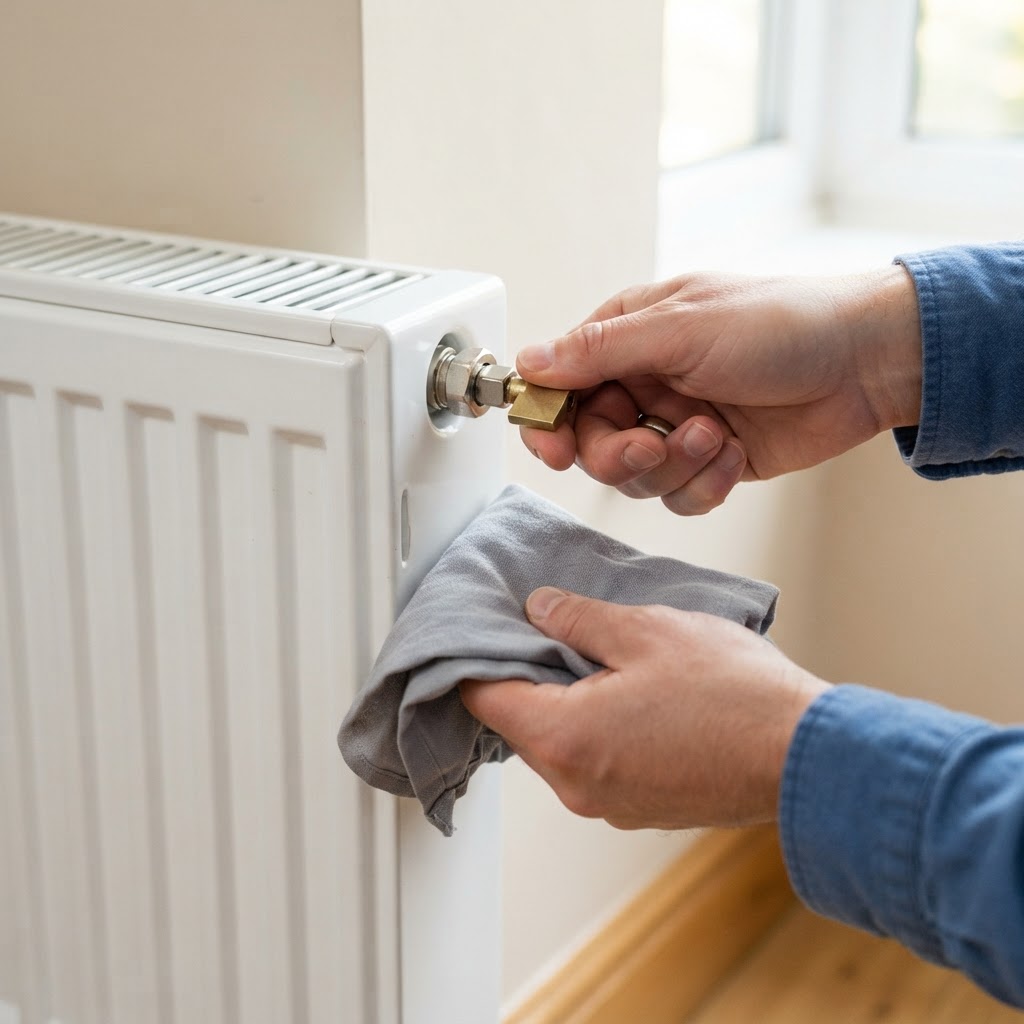
Similarly, keep an eye on your radiators. If they are cold at the top but hot at the bottom, or if some rooms in your home are consistently colder than others, you may have a circulation issue. While bleeding your radiators can sometimes offer a temporary fix, uneven heating is often a symptom of sludge build-up or a faulty component within the boiler itself.
Pressure Fluctuations and Leaks
Your boiler operates within a specific pressure range, typically between 1 and 1.5 bars. You can usually check this on the pressure gauge located on the front of your unit. If you notice the needle consistently dropping below this range, it could indicate a leak in your central heating system or a faulty pressure relief valve. Conversely, if the pressure is rising too high, it may point to an issue with the expansion vessel.
Any sign of water leaking or dripping from the boiler or the pipes beneath it should be treated as a priority. Even a small, persistent drip can lead to internal corrosion, damage to your flooring, or electrical issues within the unit. If you spot dampness or rust around your boiler, do not wait for it to worsen; it is a clear signal that a professional inspection is required.
The Importance of Safety Signs
Some boiler faults are not just inconvenient—they are safety hazards. You should never ignore strange smells coming from your boiler. If you detect a burning, metallic, or 'eggy' odour, turn off your gas supply immediately and contact a Gas Safe registered engineer. These smells can indicate a gas leak or the presence of carbon monoxide, which is colourless, odourless, and potentially fatal.
Additionally, check the colour of your boiler flame. A healthy gas boiler should burn with a crisp, blue flame. If you notice the flame is yellow or orange, it is a sign that the gas is not burning correctly, which can lead to carbon monoxide production. This is a critical safety issue that requires an urgent professional assessment.
When to Call in the Experts
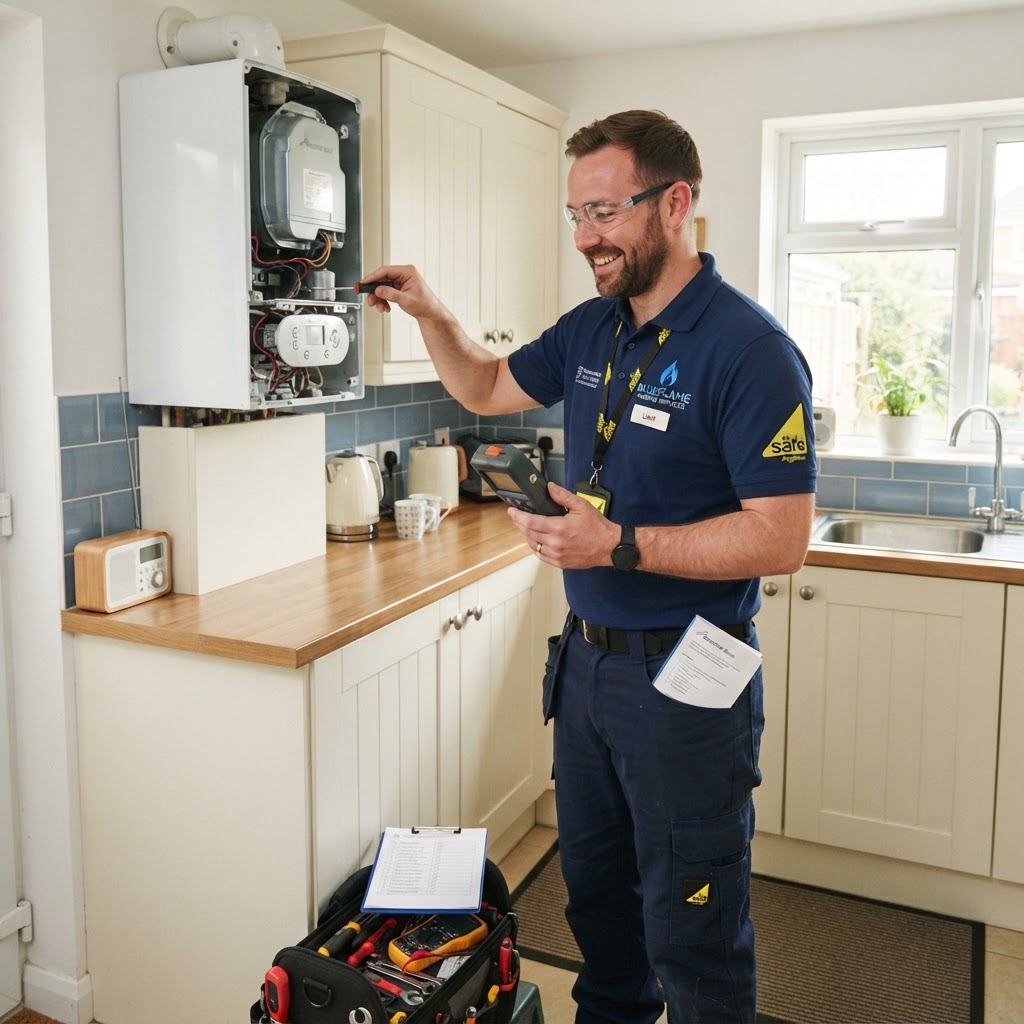
While some minor maintenance tasks can be handled by homeowners, any work involving the internal components of your boiler must be carried out by a Gas Safe registered engineer. Attempting DIY repairs on gas appliances is not only dangerous but can also void your warranty and compromise your home insurance.
At Warren Plumbing & Heating, we provide expert boiler services, repairs, and installations across Dartford and the surrounding areas, including Bexleyheath, Gravesend, and Sidcup. If you have noticed any of the warning signs mentioned above, or if your boiler is simply due for its annual service, our team is here to help. Catching a fault early is the best way to ensure your home stays warm, safe, and efficient all year round.